Two pillars of work·Websites + dashboards
Websites that win the work.Dashboards that run it.
One studio for the site out front and the numbers behind it — shipped in days, then kept working every month.
Two pillars of work
Pillar 01Dashboards & reporting
One operating view.
One weekly operating view1 source · 3 owners
The number
$184k
The exception
18 jobs
The owner
Maintenance
Same numbers. One place. Every exception has a name and a next action against it.
Pillar 02Website development
A brochure goes quiet. A build keeps working.
Live in days, then two agents run every month — one on search, one on security.
72 hrs to go-liveCustom softwareCRM modernisation
AISEO agent
Content briefs and schema, reviewed every month.
✓Security agent
Patching, backups and uptime checks.
72 hrs
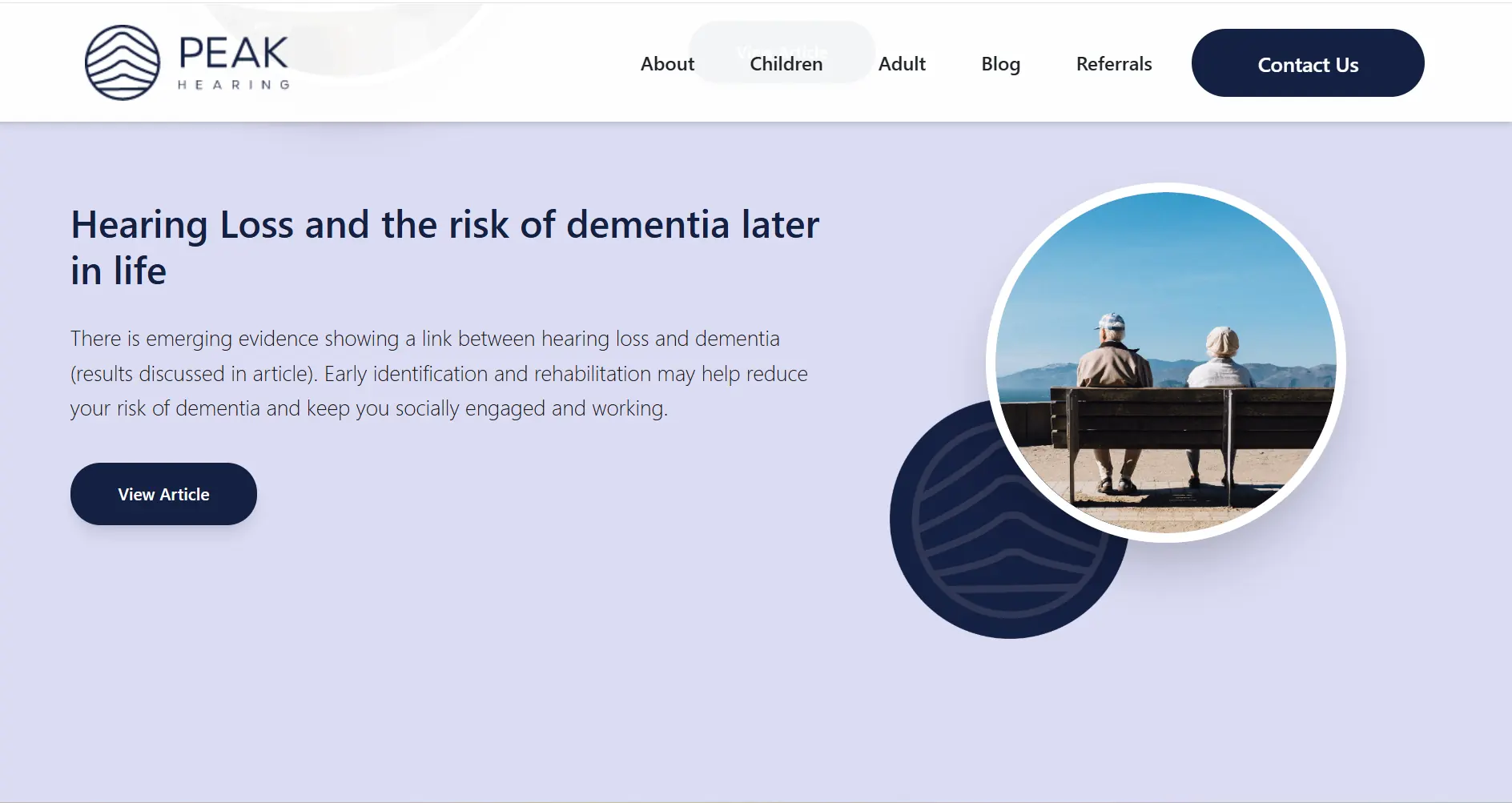
Peak Hearing, brief to live
4 → 1
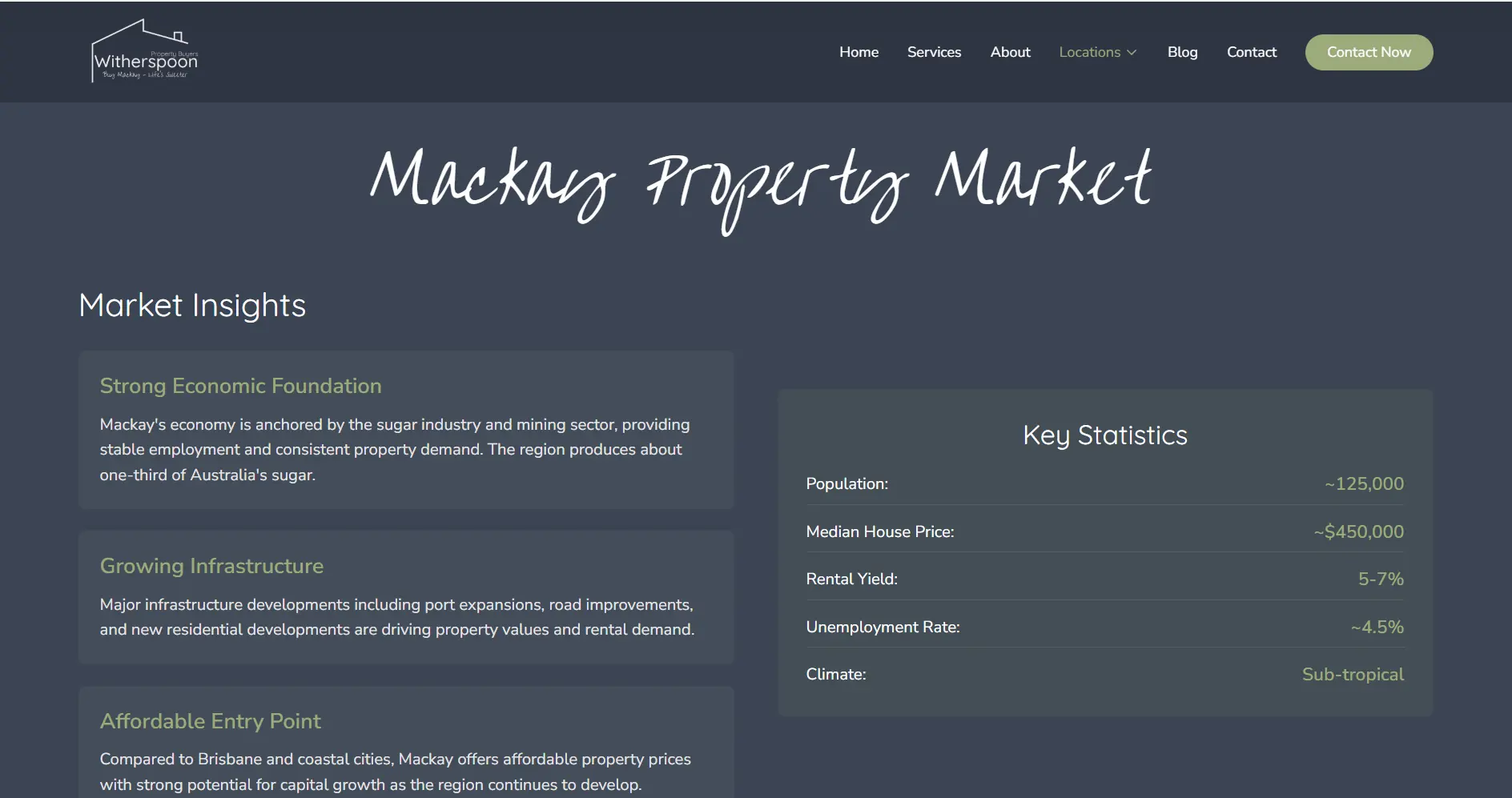
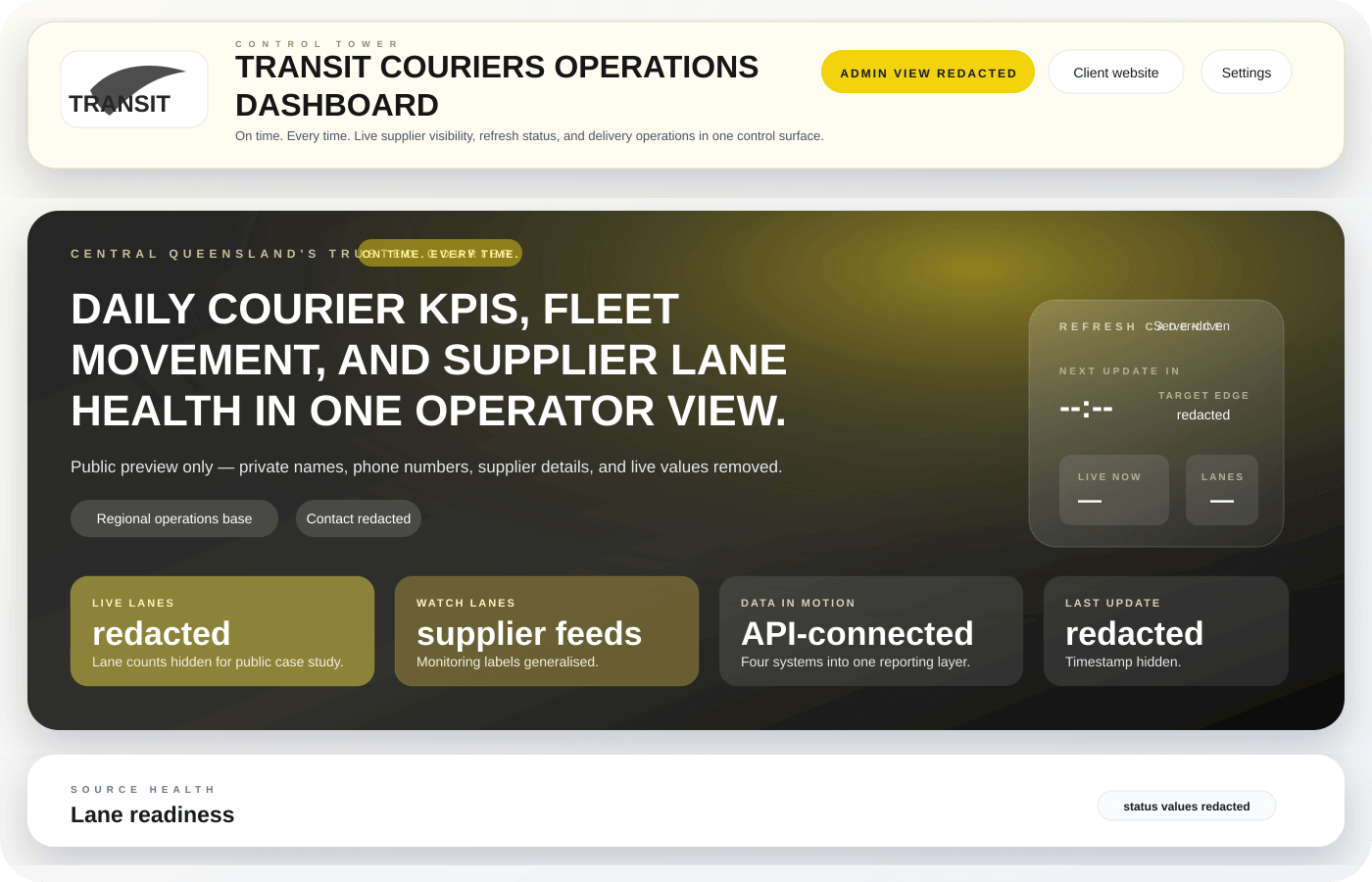
Transit Couriers systems joined
2 agents
Search and security, every month
Client stories
Work you can go and look at.
Questions
What clients ask before they start.
What the monthly fee covers, how the SEO and security agents run, and how quickly a site goes live.
What is in the monthly fee?
Hosting, an SEO agent and a security agent running every month, content and page updates, uptime monitoring and backups. One invoice, no ticket queue.
How does the SEO agent work?
Monthly technical sweep, page and content briefs, local search and schema upkeep — with the movement reported against the pages that actually convert.
What does the security agent cover?
Patching, malware and uptime monitoring, SSL, daily backups, and alerting to us first — not to you.
How fast can we launch?
Peak Hearing went live in 72 hours; Witherspoon in four days. Scope drives it, not queue position.
Can you work with our existing site?
Yes — we either lift the current site to standard or rebuild the pages carrying the enquiry.
What is a Reporting Friction Audit?
A focused review of your current report pack, spreadsheet exports, KPI definitions, source systems, owners, and weekly meeting rhythm. The goal is to identify the smallest dashboard sprint worth building first.
Custom web dashboard or Power BI?
Both, chosen by who needs it. Power BI when the team already lives in Microsoft 365 and wants slice-and-dice. A custom web dashboard when it must be branded, embedded, mobile, or write back into the business — assigning an owner, closing an exception.
Can you connect systems that do not talk to each other?
Yes. API where one exists, scheduled export where it does not. SAP, MES, job costing, POS, CRM, Xero and spreadsheets have all been joined into one model.Custom software →Website development →CRM modernisation →
What is the approach?
Audit the current pack, agree one set of trusted numbers, build exception views with a named owner, then run the weekly rhythm until it holds without us.
Do we need Power BI already set up?
No. Messy spreadsheets and export dumps are the normal starting point. The audit clarifies what should become the trusted dashboard layer.
Is AI part of it?
A drafted weekly summary you approve before it sends. Draft, not autopilot.
How quickly can we start?
Most audit conversations can start within 1-2 weeks. The useful first input is the report pack your team currently rebuilds every week.
Reporting Friction AuditFree
Send the messy report pack. We'll map the dashboard worth building.
A short, practical audit of how your reporting gets built today — the exports, the rework, and the figures nobody agrees on. You keep the friction map either way.
- We map the frictionWhere the weekly numbers come from, who rebuilds them, and which figures disagree.
- You get owners and actionsEach exception gets a name against it, so the weekly meeting has somewhere to start.
- A scope you can decide onA dashboard-first recommendation with an indicative range — no obligation to proceed.
Prefer the long version? Start a full brief.